Living with Arthritis: How Aquatic and Land Based Physiotherapy Can Support Joint Movement and Function

Living with arthritis can make everyday movement feel less predictable. Some days, walking, climbing stairs, standing from a chair, reaching, or exercising may feel manageable. On other days, joint pain, stiffness, swelling, tiredness, or reduced confidence may make simple tasks feel harder than expected.
This is why physiotherapy for arthritis should not be treated as a fixed exercise routine. It needs to consider your symptoms, affected joints, mobility, strength, balance, comfort level, safety needs, and how your body responds during and between sessions.
At AquaPhysio Rehab Centre in Camden Medical Centre, Orchard, aquatic and land based physiotherapy is guided by physiotherapist assessment and personalised planning. When both settings are used, each should have a clear purpose within your rehabilitation plan, rather than being added for variety alone.
What You Should Tell Your Physiotherapist
Your physiotherapist may only see how you are moving during your appointment, so updates from daily life can provide useful context. Sharing what has changed since your last session can help your physiotherapist adapt your structured exercise plan to your current needs.
Helpful things to mention include:
How long it takes for your body to settle after activity
Any tasks that feel less steady, controlled, or predictable
Whether you need more breaks than usual during the day
Any hesitation with steps, slopes, uneven ground, or transfers
Activities you have restarted, reduced, or stopped since your last visit
Whether your home programme feels too easy, too difficult, or unclear
Any reactions after land-based or water-based exercise
Changes in comfort during work, sport, sleep, or household routines
Any concerns about moving independently outside the clinic
Updates from scans, reviews, follow-up appointments, or healthcare providers
This feedback helps your physiotherapist review your progress and keep rehabilitation aligned with your current stage.
Why Your Plan May Include Both Aquatic and Land Based Physiotherapy
Aquatic and land based physiotherapy should not feel like two unrelated programmes. They may be used to support related goals at different stages of your rehabilitation.
Aquatic physiotherapy may provide a more supported environment for selected movements. In water, buoyancy may reduce load through certain joints and muscles, which may make some exercises feel more manageable when land based movement is uncomfortable.
Land based physiotherapy helps connect rehabilitation to everyday life. Walking, climbing stairs, standing, reaching, lifting, and household tasks all happen outside the pool, so land based practice is important for building practical movement confidence.
What Aquatic Physiotherapy May Look Like
Aquatic physiotherapy should be planned according to your assessment findings, comfort level, safety needs, and medical suitability. Before entering the pool, your physiotherapist may consider skin condition, wound healing where relevant, infection risk, medical precautions, and whether you can enter and exit the pool safely.
In the pool, your physiotherapist may guide supported walking, stepping, balance practice, gentle mobility exercises, posture work, or controlled arm and leg movements.
Water based movement is not passive or effortless. Your body still works on posture, coordination, balance, muscle control, and movement awareness. Water also provides natural resistance, which may be used to support gradual strengthening when appropriate.
What Land Based Physiotherapy May Add
Land based physiotherapy helps translate movement into daily activity. This may include standing, walking, sitting to standing, climbing stairs, reaching, lifting, or practising movements that are relevant to your home, work, or exercise routine.
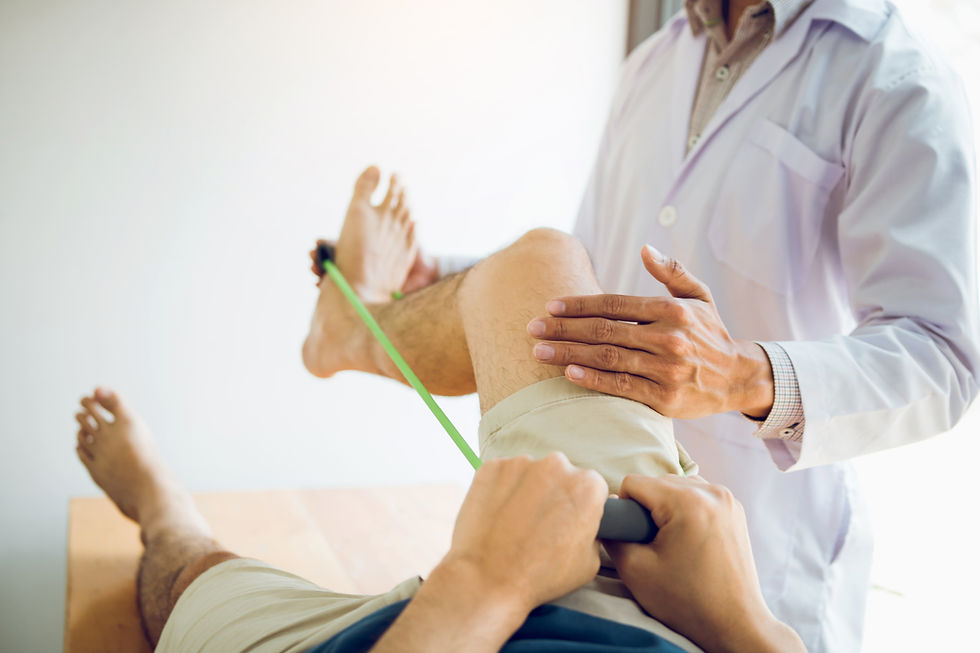
Your physiotherapist may use land based sessions to observe how your joints manage movement under normal gravity and load. Depending on your symptoms and stage of rehabilitation, this may include mobility exercises, gentle strengthening, balance training, walking practice, posture education, or functional movement tasks.
Land based physiotherapy may also include advice on pacing, home exercises, joint protection strategies, and gradual activity progression.
How the Same Goal Can Be Practised Differently
One benefit of using both settings is that the same rehabilitation goal can be approached in different ways. Aquatic physiotherapy may help you practise movement with more support, while land based physiotherapy may help you build confidence for everyday tasks.
For example, if knee or hip arthritis affects walking, aquatic therapy may include supported stepping or walking practice in the pool. On land, the focus may shift to weight transfer, lower limb strength, balance, and walking quality.
If arthritis affects the shoulder or upper limb, aquatic therapy may support gentle arm movement where suitable. On land, your physiotherapist may focus on posture, shoulder blade control, reaching patterns, and gradual strengthening.
The exact plan should always depend on your symptoms, affected joints, medical suitability, and response.
Why Strength and Mobility Both Matter
Arthritis rehabilitation often involves more than one goal. Mobility, strength, balance, posture, coordination, and movement control may all influence how your joints cope with daily activities.
When joints feel painful or stiff, it can be tempting to move less. However, avoiding too much movement for too long may make it harder to maintain strength, mobility, and confidence. At the same time, doing too much too soon may irritate symptoms.
Your physiotherapist may help you find a measured approach. Exercises may be adjusted based on joint comfort, swelling, fatigue, movement quality, and how your body responds after activity.
Why Physiotherapy May Change Each Week
Arthritis symptoms can vary. Your joints may feel different depending on activity levels, sleep, stress, weather changes, work demands, exercise, medical factors, or how much movement you do between appointments.
Some sessions may focus more on mobility. Others may focus on strength, balance, walking, posture, or functional movement. If symptoms become more irritable, your physiotherapist may reduce intensity, modify an exercise, or return to simpler movement patterns.
This does not mean your progress is going backwards. It means your physiotherapy plan is being adjusted to match your body’s current response.
What You Should Tell Your Physiotherapist
Your physiotherapist only sees part of your movement during clinic sessions, so what happens between appointments matters. Sharing accurate feedback can help your physiotherapist decide whether to progress, pause, simplify, or modify your plan.
Helpful things to mention include:
Increased pain, swelling, or stiffness after therapy
Difficulty walking, standing, climbing stairs, reaching, or lifting
Fatigue that affects your daily activities
Movements that feel easier or harder than before
Concerns about balance or confidence
Problems completing home exercises
Changes in symptoms between appointments
New advice from your doctor or specialist
This feedback helps make rehabilitation more responsive and practical.
How Home Exercises Support the Process
Rehabilitation does not only happen during appointments. A home exercise programme may help maintain consistency between aquatic and land based physiotherapy sessions, especially when it is simple, realistic, and matched to your current stage.
Your home programme may include mobility exercises, gentle strengthening, posture reminders, balance practice, walking practice, or activity pacing strategies. These should be explained clearly so you understand what to do, how often to do it, and when to stop or seek advice.
Home exercises can help connect the movement practised in the pool or clinic with the activities your body needs in daily life.
Moving with Arthritis Usually Requires Gradual Progress
Improving movement with arthritis usually takes time. Your body may need gradual exposure to movement, strengthening, and activity so your joints can adapt without being pushed too quickly.
Aquatic physiotherapy may support selected stages of rehabilitation when a lower impact setting is useful. Land based physiotherapy may help translate those gains into daily movement, work tasks, exercise, or recreational activity.
Your physiotherapist may adjust the balance between aquatic therapy, land based exercise, and home exercises depending on your symptoms, goals, and response.
The Next Steps
The purpose of physiotherapy for arthritis is not only to complete exercises in a pool or clinic. The wider aim is to support joint movement and function in daily life, whether that means walking more steadily, climbing stairs, reaching with more confidence, exercising gradually, or managing household and work routines.
Aquatic physiotherapy may help support selected movements in a more supported environment. Land based physiotherapy helps practise the strength, balance, and control needed outside the pool. When planned carefully, both settings can support different parts of the same rehabilitation journey.
At AquaPhysio Rehab Centre in Camden Medical Centre, Orchard, arthritis rehabilitation is shaped around your symptoms, comfort, safety needs, medical suitability, current ability, and personal goals. A physiotherapy assessment can help you understand how aquatic and land based physiotherapy may fit into your plan and how rehabilitation may progress based on your body’s response.