
Understanding How Physiotherapy Supports Recovery After Sports Injuries
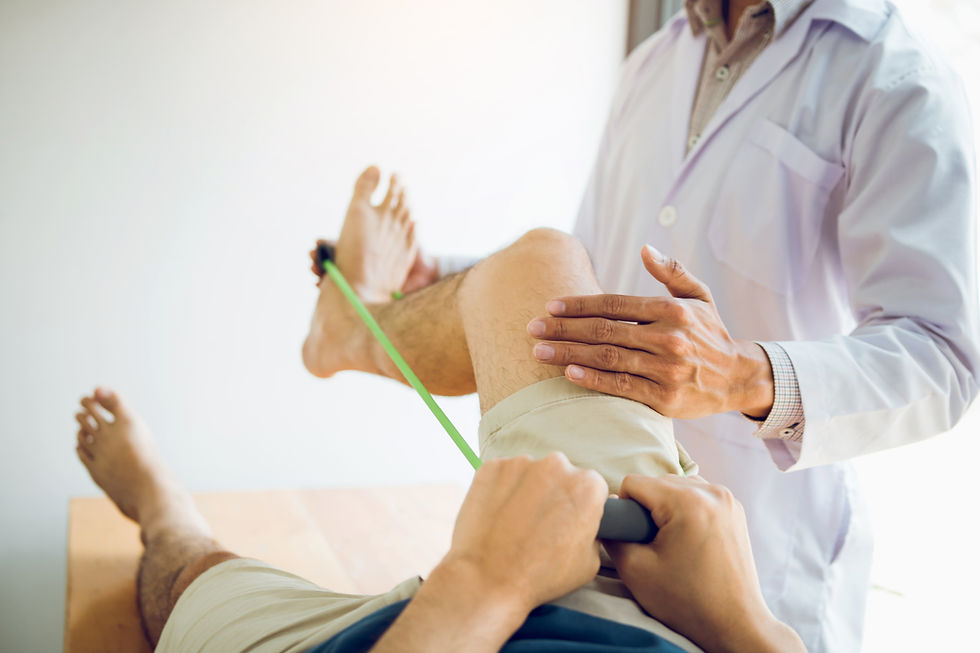
Sports injuries can interrupt training, work, daily movement, and confidence. Recovery is not always straightforward. Some days, movement may feel easier. On other days, pain, swelling, stiffness, weakness, or hesitation may make familiar activities feel more difficult.
This is why physiotherapy for sports injury recovery should not be treated as a fixed set of exercises. It needs to consider the type of injury, your symptoms, your stage of healing, your activity goals, and how your body responds during and between sessions.
At AquaPhysio Rehab Centre in Camden Medical Centre, Orchard, physiotherapy is guided by assessment and personalised planning. Each part of the rehabilitation plan should have a clear purpose within your recovery.
Your First Step Is Understanding Where Your Body Now
The early stage of sports injury rehabilitation often begins with understanding your current baseline. Your physiotherapist may assess how you move, what feels limited, which activities aggravate your symptoms, and which movements you may be avoiding.
This helps shape a structured exercise plan that matches your current condition instead of rushing ahead. It also helps you understand what your body can manage before exercises become more challenging.
Your physiotherapist may review:
Pain or discomfort response
Swelling, stiffness, or sensitivity
Range of movement
Strength, muscle activation, and control
Walking, running, jumping, or landing ability, where relevant
Balance, coordination, and movement confidence
Sport-specific movement patterns
Training history and recent changes in activity
Movements or activities that aggravate symptoms
Advice from your doctor or specialist, where relevant
How your body responds during and after structured exercise
Why Your Plan May Change Based on the Type of Injury
Sports injuries can involve different tissues and movement demands. A sprain, strain, tendon concern, joint irritation, muscle injury, or post impact discomfort may each require a different approach.
For example, a runner with knee discomfort may need a different plan from a footballer recovering from an ankle sprain or a tennis player managing shoulder pain. Your physiotherapy plan should reflect where the injury is, how it happened, how long symptoms have been present, and what activities you hope to return to.
The goal is not only to reduce discomfort, but also to understand what your body needs for gradual movement recovery.
What Physiotherapy May Look Like After a Sports Injury
Physiotherapy after a sports injury often includes assessment, guided movement, exercise progression, and education. The exact plan depends on your injury, symptoms, recovery stage, and activity goals.
Your physiotherapist may observe how your body manages movements such as walking, squatting, stepping, balancing, reaching, running preparation, or sport specific patterns where appropriate.
Depending on your stage of recovery, sessions may include mobility exercises, gradual strengthening, balance training, movement retraining, coordination work, and advice on pacing. This helps make rehabilitation practical beyond the clinic session.
Why Load Management Matters During Recovery
After a sports injury, returning to activity too quickly may irritate symptoms. Resting for too long may also make it harder to regain strength, confidence, and movement tolerance.
Load refers to the demand placed on your body. This may include training frequency, exercise intensity, running distance, jumping volume, gym weights, competition demands, or daily activities such as stairs and prolonged standing.
Your physiotherapist may help you adjust activity based on your symptoms and recovery stage. This does not always mean stopping activity. It may mean changing the type, amount, speed, range, or intensity of movement.
How Strength, Mobility, and Control Work Together
Sports injury rehabilitation often involves several goals at once. Strength, mobility, balance, coordination, and movement control may all influence how your body manages activity.
For example, after an ankle sprain, rehabilitation may include balance and control exercises before progressing to hopping, running, or changes in direction. For a shoulder concern, your physiotherapist may consider shoulder movement, shoulder blade control, strength, posture, and sport related tasks such as throwing or serving.
The exact plan should always depend on your assessment findings, symptoms, and sport or activity requirements.
Why Recovery May Change From Week to Week
Sports injury recovery can vary. Symptoms may be influenced by training load, sleep, work demands, previous injuries, footwear, playing surface, or activity between appointments.
Some sessions may focus on mobility. Others may focus on strength, balance, coordination, running preparation, or sport specific movement. If symptoms become more irritable, your physiotherapist may reduce intensity, modify an exercise, or return to simpler movement patterns.
This does not mean recovery is failing. It means your physiotherapy plan is being adjusted to match your body’s current response.
What You Should Tell Your Physiotherapist
Your physiotherapist only sees part of your recovery during clinic sessions, so what happens between appointments matters. Sharing accurate feedback helps your physiotherapist decide whether to progress, pause, simplify, or modify your plan.
Helpful things to mention include:
Increased pain, swelling, or stiffness after exercise
Pain during training, sport, or daily movement
Difficulty walking, running, jumping, lifting, or changing direction
Weakness, instability, or reduced confidence
Activities you are avoiding
Problems completing home exercises
Recent changes in training load or activity level
New advice from your doctor or specialist
This feedback helps make rehabilitation more responsive and practical.
How Home Exercises Support the Process
Rehabilitation does not only happen during appointments. A home exercise programme may help maintain consistency between physiotherapy sessions, especially when it is simple, realistic, and matched to your current stage.
Your home programme may include mobility exercises, gentle strengthening, balance drills, movement practice, posture reminders, or activity modification advice. These should be explained clearly so you understand what to do, how often to do it, and when to stop or seek advice.
Home exercises help connect clinic-based rehabilitation with the movements you need in daily life, exercise, or sport.
Returning to Sport Should Be Gradual
Returning to sport is usually more than waiting for pain to settle. Your body may need time to rebuild strength, movement control, balance, confidence, and tolerance for sport specific demands.
A gradual return may involve walking comfortably, building strength, practising balance, introducing low impact activity, progressing running or agility work, and then returning to sport related drills where appropriate.
Your physiotherapist may also help you monitor your response during activity, later that day, and the next morning. This can guide whether your current activity level is suitable or needs adjustment.
The Next Steps
The purpose of physiotherapy after a sports injury is not only to complete exercises in a clinic. The wider aim is to support movement in daily life and, where suitable, help you work gradually toward your activity or sport goals.
Physiotherapy may help you understand your current movement capacity, rebuild strength and control, manage activity load, and progress exercises in a way that respects your recovery stage.
At AquaPhysio Rehab Centre in Camden Medical Centre, Orchard, sports injury rehabilitation is guided by physiotherapist assessment and personalised planning. A physiotherapy assessment can help you understand what to expect, how rehabilitation may fit into your recovery, and how your plan may progress based on your body’s response.


