
How Treatment Methods May Be Combined in Physiotherapy
Updated: 2 hours ago
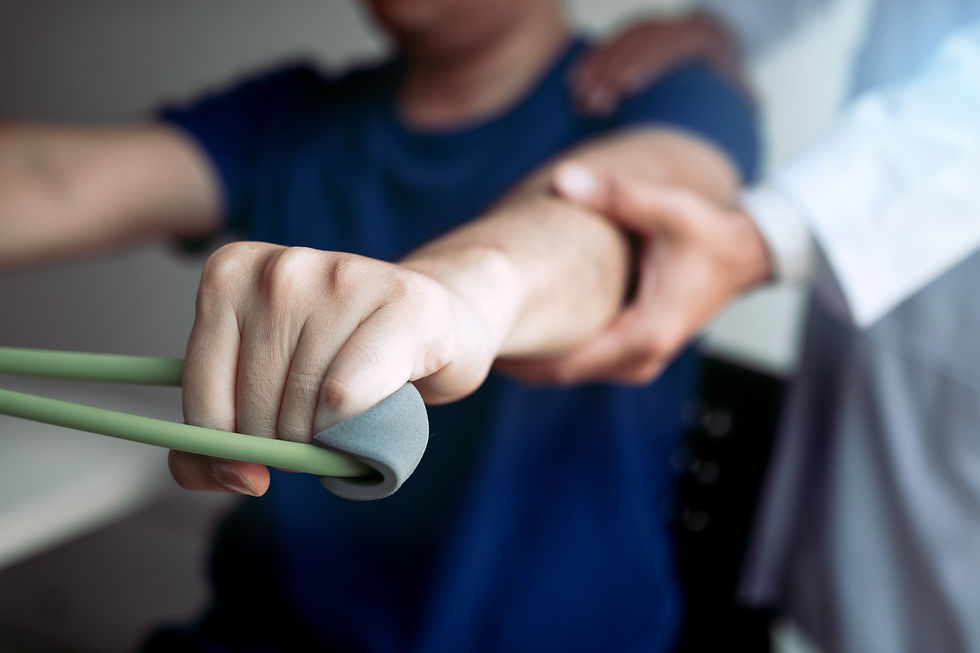
Physiotherapy can feel unfamiliar when more than one treatment method is included in the same plan. You may have exercises, education, hands-on techniques, water based therapy, land based strengthening, balance work, or activity modification discussed during your rehabilitation.
This does not mean treatment is being added without direction. A physiotherapy plan should not be treated as a fixed routine. It needs to consider your symptoms, movement ability, comfort level, safety needs, recovery stage, daily goals, and how your body responds during and between sessions.
At AquaPhysio Rehab Centre in Camden Medical Centre, Orchard, physiotherapy is guided by assessment and personalised planning. When different treatment methods are combined, each should have a clear purpose within your rehabilitation plan.
Your First Step Is Understanding Where Your Body Is Now
The early stage of physiotherapy often begins with developing a clearer understanding of how your body is managing at present. Your physiotherapist may ask about your symptoms, movement concerns, daily routines, and what you are hoping to improve.
This first step helps guide a structured exercise and treatment plan that suits your current needs. It also helps your physiotherapist consider which physiotherapy approaches may be appropriate and how they can be combined safely.
Your physiotherapist may review:
When symptoms appear, ease, or become more noticeable
How your body responds to gentle movement or repeated tasks
Areas that feel guarded, weak, or difficult to control
Comfort with changing positions, turning, bending, or carrying
Movement quality during simple functional activities
Tolerance for activity at home, work, or during exercise
Any tasks you are avoiding or modifying because of symptoms
Your confidence with movement in familiar and unfamiliar settings
Previous injuries, surgery, scans, or treatment experiences
Any relevant health conditions, medications, or current care instructions
Why Physiotherapy May Include More Than One Method
Physiotherapy may include more than one method because recovery often involves several goals at the same time. For example, you may need to improve mobility, build strength, manage discomfort, practise balance, rebuild confidence, or return gradually to daily activities.
Different methods may support different parts of the same rehabilitation goal. Exercise may help build strength and control. Education may help you understand pacing and activity modification. Hands-on techniques may support movement preparation where suitable. Water based therapy may provide a supported setting for selected exercises, while land based therapy helps connect movement to everyday tasks.
The aim is not to use many methods for variety. The aim is to select the most suitable approaches based on assessment and response.
What Combined Physiotherapy May Look Like
A combined physiotherapy session may include assessment, guided movement, education, exercise progression, and one or more treatment approaches depending on your needs.
For example, your physiotherapist may begin by reviewing your symptoms and movement response. The session may then include mobility work, gentle strengthening, balance practice, hands-on techniques, walking practice, or functional movements such as sitting to standing, stepping, reaching, or lifting.
Where appropriate, your plan may also include water based therapy and land based exercise across different sessions. Each method should be explained clearly so you understand why it is being used and how it relates to your goals.
Why Assessment Comes Before Choosing Treatment Methods
The same symptom can affect people in different ways. Two people with knee pain, shoulder discomfort, lower back stiffness, or post surgical weakness may need very different rehabilitation plans.
Your physiotherapist may observe how your body manages movement, how symptoms respond to activity, and whether strength, mobility, balance, posture, or confidence are contributing to the problem.
This information helps your physiotherapist decide whether a treatment method is appropriate, whether it should be modified, or whether another approach may be more suitable at that stage.
How Water and Land Based Therapy May Work Together
When suitable, water and land based therapy may be used to support related goals. Water based therapy may provide a more supported environment for selected movements. Buoyancy may reduce load through certain joints and muscles, while water resistance may support controlled movement.
Land based therapy helps translate movement into daily life. Walking, climbing stairs, standing, reaching, lifting, and returning to work or sport all happen outside the pool, so land based practice remains important.
For example, walking confidence may be practised with support in the pool, then progressed on land through weight transfer, balance, strengthening, and walking quality. The exact plan should always depend on your condition, symptoms, safety needs, and response.
How Hands-On Techniques May Fit into the Plan
Hands-on physiotherapy techniques may be considered when your physiotherapist identifies a clear reason to include them. They may be used to support movement awareness, comfort, mobility, or preparation for exercise, depending on your assessment findings.
Hands-on techniques should usually be viewed as one part of physiotherapy, not the whole plan. After treatment, your physiotherapist may guide movement or exercise so your body can practise using that change in a practical way.
This may include bending, reaching, walking, strengthening, balance work, or functional movement tasks that relate to your daily activities.
Why Exercise and Education Remain Important
Exercise and education are often central parts of physiotherapy because they help connect rehabilitation to daily life. Exercises may support mobility, strength, balance, coordination, posture, or movement confidence.
Education may include advice on pacing, activity modification, home exercises, movement precautions, or gradual return to activity. This helps you understand what to do between sessions and how to monitor your body’s response.
When treatment methods are combined, exercise and education help make the overall plan more practical beyond the clinic.
Why Your Physiotherapy Plan May Change Each Week
Rehabilitation is rarely a straight line. Your plan may change depending on pain response, stiffness, swelling, fatigue, strength, confidence, movement quality, and what you are able to do between appointments.
Some sessions may focus more on mobility. Others may focus more on strengthening, balance, water based therapy, hands-on techniques, walking, posture, or functional movement. If symptoms become more irritable, your physiotherapist may reduce intensity, modify treatment, or return to simpler movement patterns.
This does not mean your recovery is going backwards. It means your physiotherapy plan is being adjusted to match your body’s current response.
What You Should Tell Your Physiotherapist
Your physiotherapist only sees part of your progress during clinic sessions, so what happens between appointments matters. Sharing accurate feedback can help your physiotherapist decide whether to continue, progress, pause, simplify, or modify your plan.
Helpful things to mention include:
Increased pain, swelling, stiffness, or sensitivity after therapy
Difficulty walking, standing, climbing stairs, reaching, or lifting
Fatigue that affects your daily activities
Movements that feel easier or harder than before
Concerns about balance or confidence
Problems completing home exercises
Changes in work, sport, or activity levels
New advice from your doctor or specialist
This feedback helps make physiotherapy more responsive and practical.
How Home Exercises Support the Process
Rehabilitation does not only happen during appointments. A home exercise programme may help maintain consistency between physiotherapy sessions, especially when it is simple, realistic, and matched to your current stage.
Your home programme may include mobility exercises, gentle strengthening, posture reminders, balance practice, walking practice, breathing strategies, or activity modification advice. These should be explained clearly so you understand what to do, how often to do it, and when to stop or seek advice.
Home exercises can help connect the different treatment methods used in the clinic with the movement and strength needed for daily activity.
Combining Methods Should Still Feel Structured
A physiotherapy plan may include several methods, but it should still feel organised. Each part of the plan should support a specific goal, such as improving movement, building strength, increasing balance, supporting activity tolerance, or helping you return gradually to daily routines.
Your physiotherapist may adjust the balance between treatment methods as your symptoms, confidence, and movement ability change. Some methods may be used more in the early stages, while others may become more important as you progress.
The aim is not to do everything at once, but to build a plan that reflects your current needs and response.
The Next Steps
The purpose of combining treatment methods in physiotherapy is not only to complete different activities during a session. The wider aim is to support movement in daily life, whether that means walking more steadily, climbing stairs, reaching with more confidence, returning to exercise, or managing work and household routines.
Physiotherapy may combine assessment, education, exercise, hands-on techniques, water based therapy, land based strengthening, and home exercises when suitable. Each method should have a clear role within the wider rehabilitation plan.
At AquaPhysio Rehab Centre in Camden Medical Centre, Orchard, physiotherapy is shaped around your symptoms, comfort, safety needs, current ability, and personal goals. A physiotherapy assessment can help you understand which treatment methods may be suitable, how they may work together, and how your rehabilitation may progress based on your body’s response.
