

Post-Surgical Rehabilitation in Singapore
Work on movement, strength and confidence through one-to-one aquatic and land-based physiotherapy.
After surgery, pain, swelling or reduced mobility may make everyday movements more difficult.
At AquaPhysio, your physiotherapist assesses your condition and recovery goals before developing a personalised plan using conventional physiotherapy, aquatic physiotherapy or both.


One-to-One Sessions
Direct guidance and exercise progression based on your individual needs.

Aquatic and Land-Based Care
Rehabilitation may use conventional physiotherapy, aquatic physiotherapy or both where appropriate.

Private Clinical Setting
Treatment provided by registered physiotherapists at Camden Medical Centre.
One Rehabilitation Journey Across Water and Land
AquaPhysio combines aquatic and conventional land-based physiotherapy through an initial consultation, personalised treatment plan, guided sessions and regular progress reviews.
At a Glance
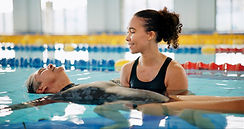
Individual Assessment
Movement, symptoms and functional goals assessed before treatment begins.

One-to-One Guidance
Your physiotherapist observes how you load the operated side, maintain balance and respond to exercise.

Appropriate Treatment Setting
Some people begin on land. Aquatic physiotherapy may be considered once the wound has healed.

Progress Review
Treatment adjusted as your mobility, strength and function change.

Your Recovery Stage Determines Where Treatment Begins
Your assessment may consider:
Following the assessment, your physiotherapist will recommend an appropriate treatment approach.
Please bring, where available:
Your first assessment helps identify what still requires protection, what can be progressed and whether rehabilitation should begin on land, in the pool or both.
Surgery Addresses the Structure. Rehabilitation Supports Your Return to Movement.
Healing is only one part of recovery. Two people who undergo the same operation may recover very differently. One may regain movement but avoid the operated side, another may walk confidently but lack the strength for stairs. Your assessment identifies these differences so that treatment reflects how you are recovering rather than following a fixed routine.
Protect. Restore. Rebuild. Return.
1
Protect
Managing swelling, restoring permitted movement, activating muscles and using mobility aids appropriately.
3
Rebuild
Progressing towards greater strength, balance and walking tolerance. Progress reflects your symptoms and movement quality rather than time alone.
2
Restore
Working on joint mobility, weight transfer, balance and walking. Movement may be simplified before resistance is added.
4
Return
Focusing on what you need to do again — walking further, using stairs, standing from a chair, returning to work or resuming suitable exercise.
Procedures Where Post-Surgical Physiotherapy May Be Considered
Post-surgical physiotherapy may be considered after orthopaedic procedures involving joints, bones, ligaments or tendons, including:

Joint replacement
Ligament reconstruction
Meniscus surgery
Shoulder or rotator-cuff surgery
Fracture fixation
Tendon repair
Foot or ankle surgery
Spine procedures
Pool Treatment Begins Only When it is Appropriate
Aquatic physiotherapy may be considered once the surgical incision has healed appropriately, infection risk has been considered, relevant precautions allow pool activity, you can enter and leave the pool safely, and your physiotherapist considers water-based treatment suitable.

Recovery is More than a Pain Score
Pain and swelling matter, but progress may also include improved joint movement, more even walking, better balance, greater activity tolerance and increased confidence. Recovery is not always linear. Your physiotherapist reviews your response and adjusts treatment accordingly.
Contact your surgeon or seek appropriate medical care if you develop concerning symptoms such as wound discharge, fever, chest pain, unusual breathlessness, marked calf pain or sudden significant swelling.

How Water May Support Rehabilitation
Aquatic physiotherapy complements rather than replaces conventional physiotherapy.

Supported Movement
Buoyancy supports part of your body weight, which may make standing, walking and joint movement more manageable.

Adjustable Resistance
Your physiotherapist can alter the challenge by changing speed, direction, range and level of support.
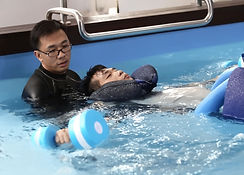
Walking and Balance Practice
Water may offer a supported setting to practise weight transfer, step length, turning and balance.
Frequently Asked Questions
Common Concerns Before Starting
When should physiotherapy begin after surgery?
The timing depends on the operation, your surgeon's instructions and your recovery stage.
Will my first appointment take place in the pool?
Not automatically. Your physiotherapist will first assess wound healing, mobility and suitability.
Will all treatment take place in water?
No. Treatment may be aquatic, land-based or both, and may change as recovery progresses.
Do I need to know how to swim?
No. The focus is therapeutic movement in a shallow, warm pool with your physiotherapist present.
How long will rehabilitation take?
There is no universal timeline. Recovery depends on the procedure, healing response and goals.
Do I need a referral?
Contact the clinic before booking if you have specific instructions from your surgeon.
