

Supported in Water. Strengthening on Land.
Work on joint mobility, strength, balance and everyday movement with one-to-one physiotherapist guidance.
Arthritis and persistent joint pain can make movement feel difficult or unsafe.
Your physiotherapist assesses how your joints are affected, then discusses whether aquatic physiotherapy, land-based physiotherapy or both may be appropriate.


Personalised One-to-One Care
Your rehabilitation plan is based on your symptoms, movement ability and functional goals.

No Swimming Required
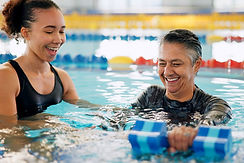
Aquatic physiotherapy uses supervised therapeutic movement rather than swimming.

Aquatic and Land-Based Rehabilitation
Treatment can progress from supported movement in water to exercises that prepare you for everyday activity on land.
A More Supported Environment for Therapeutic Exercise
Exercising on land can be difficult when pain, stiffness or fear of falling affects how you move. Water does not cure arthritis or restore damaged cartilage, but buoyancy and water resistance may create a more manageable place to practise movement.
At a Glance

Reduced Load Through Painful Joints
Buoyancy reduces the load through weight-bearing joints, which may make walking and bending more manageable.

Adjustable Resistance for Strengthening
Your physiotherapist can adjust the challenge by changing movement speed, direction, range and level of support.

Supported Balance and Movement Practice
The pool may provide a more reassuring environment to practise standing, walking and weight transfer with your physiotherapist nearby.

Treatment Is Based on How You Move, Not Only Where It Hurts
-
A Cochrane review found that aquatic exercise probably produces small short-term improvements in pain and disability and may slightly improve quality of life in people with knee or hip osteoarthritis.
Outcomes vary, so aquatic exercise should be considered part of an individual management plan rather than a guaranteed solution.
Your assessment may cover:
Two people with the same diagnosis may move very differently. Your physiotherapist assesses how joint pain affects your function, not simply the diagnosis itself.
Your physiotherapist may also assess:
Which joints are affected and when pain or stiffness occurs
Swelling or recent symptom changes
Walking and standing tolerance
Difficulty with stairs, chairs or everyday activities
Falls or fear of falling
Previous surgery and medical precautions
Activities you want to return to
From a Manageable Starting Point to Everyday Function
Your rehabilitation may progress through these stages, depending on your condition, movement and response to treatment.
1
If walking is painful
Pool treatment may include supported walking, weight transfer and gradual loading. Land-based rehabilitation may later help build walking tolerance on everyday surfaces.
3
If standing from a chair is difficult
Water-based exercises may work on hip and knee strength and forward weight shift. Land-based physiotherapy may then support sit-to-stand practice.
2
If stairs are difficult
Aquatic exercises may focus on stepping, hip and knee control and balance. These may later progress to stair practice on land.
4
If you are recovering after joint surgery
Aquatic physiotherapy may be considered once the wound has healed and relevant precautions have been reviewed.
When Aquatic Physiotherapy May Be Considered
Aquatic physiotherapy may be considered when arthritis or persistent joint pain makes conventional exercise difficult. It may be relevant if you experience:

Knee or hip osteoarthritis
Joint stiffness after rest
Difficulty walking or standing
Pain during land-based exercise
Reduced lower-limb strength
Poor balance or fear of falling
Difficulty using stairs
Reduced activity after surgery or inactivity
Reduced confidence with weight-bearing movement
A Harder Exercise Is Not Always a Better Exercise
If you compensate during a movement, adding resistance may reinforce the pattern. Your physiotherapist may first simplify the exercise, then progress it once control improves. This individual observation and adjustment is a key part of aquatic physiotherapy.


Aquatic Physiotherapy is not Appropriate for Everyone at Every Stage
Before recommending pool treatment, your physiotherapist will consider your current health, symptoms and ability to participate safely.
This may include reviewing:
Recent surgery and wound healing
Open wounds or skin integrity
Active infection
Significant changes in pain or swelling
Relevant heart or respiratory conditions
Medical or surgical restrictions
Continence considerations
Balance, mobility and ability to access the pool safely

The Pool Is a Starting Point, Not the Final Goal
Aquatic physiotherapy provides the opportunity to practise movement with support, then apply that progress to everyday activities on land.

Establish a Starting Point
May include supported standing, walking, weight shifting, joint mobility, balance and gentle strengthening.

Transfer Progress onto Land
May include walking further, stairs, chair transfers, returning to appropriate exercise and working towards greater independence.

Improve Movement Quality
May focus on more even weight distribution, joint control and reducing compensatory movement.

Review Progress That Matters
Pain matters, but progress may also include more even walking, better balance, improved joint range and greater activity tolerance.
Build Strength and Tolerance
May progress to greater range, resistance, repetitions and more complex functional movements.
Frequently Asked Questions
Common Concerns Before Starting
What if I cannot swim?
No swimming is required. Tell your physiotherapist if you feel anxious around water so this can be considered.
What if I lose my balance?
Your balance is assessed before exercises are selected. Your physiotherapist remains nearby and can adjust support and difficulty.
What if exercise makes my arthritis worse?
Some discomfort can occur when exercise begins. You should not feel required to push through every symptom — tell your physiotherapist if pain, swelling or instability increases.
What if I am having a flare?
Contact AquaPhysio before your appointment. The session may be modified, completed on land or postponed.
What if I feel self-conscious?
Your session takes place in a private clinical setting and focuses on your safety, movement and goals.

Find a More Supported Way to Begin Moving
You do not need to decide alone whether rehabilitation should begin in water or on land. An AquaPhysio physiotherapist can assess how arthritis, joint pain or stiffness affects your movement and recommend an appropriate starting point based on your needs.
This page is for general information and does not replace medical advice.